Is Kusadasi Safe? Practical Local Advice
Reviewed by Umit Yoruk on 23 August 2026. I lived in Kuşadası for many years and still know it as a busy, sociable resort town. Most visits pass without trouble, but no destination can be described as completely safe. Your own government’s current travel advice, local instructions and normal precautions should guide your decision.
The short answer
Kuşadası is an established tourism centre rather than one of the south-eastern border areas covered by official regional travel warnings. That does not remove the wider risks that apply across Türkiye. Check the latest advice shortly before travelling, because demonstrations, regional tensions, extreme weather and transport disruption can change quickly.
In day-to-day terms, look after your belongings in crowds, use registered transport, avoid isolated places late at night and do not leave drinks unattended. If a situation feels wrong, leave it; politeness is never more important than your safety.
Crowds, valuables and payments
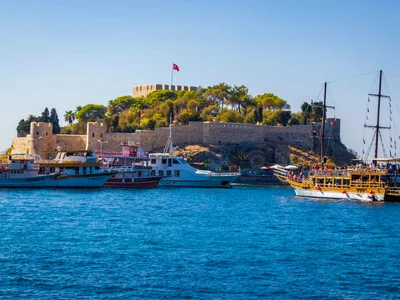
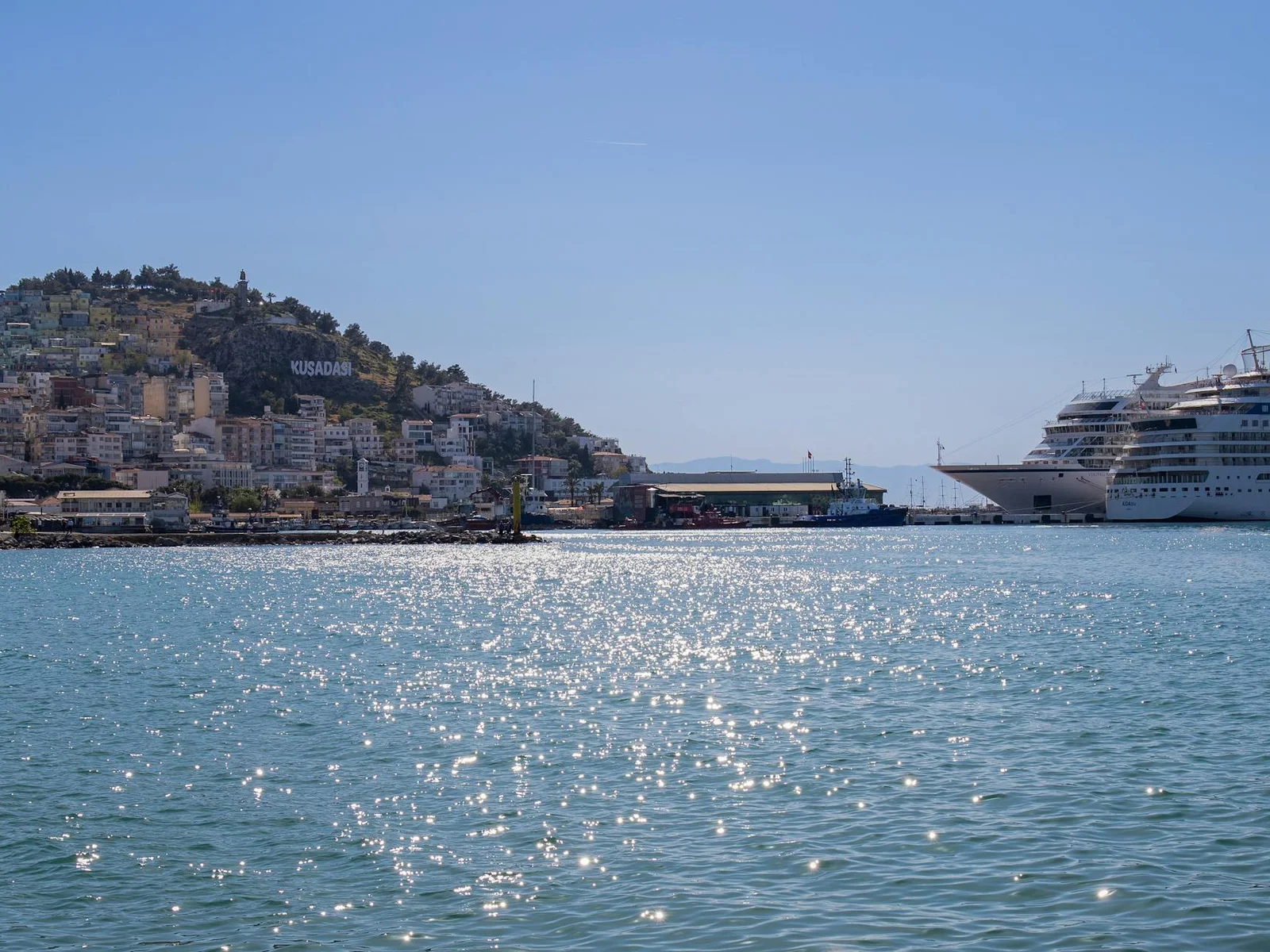
The places where I pay most attention to a phone or wallet are the obvious busy ones: the port exit when several ships arrive together, the bazaar lanes, festival crowds and a full dolmuş. Keep bags closed and where you can see them, and do not leave a phone on the edge of an outdoor café table.
Check restaurant and bar prices before ordering and look over the bill before paying. Use an ATM attached to a bank where practical, shield your PIN and decline help from strangers at the machine. These habits matter more than memorising a long list of supposed “local scams”.
Unwanted attention and solo travel
Many people visit Kuşadası alone, including women, but it would be irresponsible to promise that anyone is risk-free. Official travel advice for Türkiye records cases of sexual assault in coastal resorts and recommends reputable providers for hotels, spas and excursions. Do not share your accommodation details unnecessarily, and make sure children remain with a known and trusted adult.
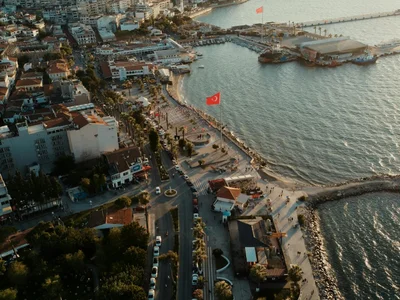
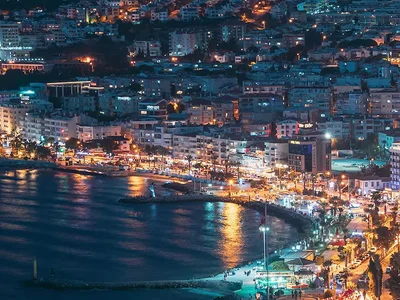
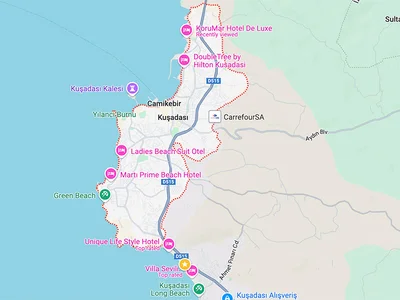
The waterfront, marina and Ladies Beach promenade can stay lively in season; a nearby side street may become quiet much sooner. At night, stay on lit routes, arrange your return before drinking, and use a registered or pre-booked taxi rather than accepting an informal lift. If you feel threatened or experience harassment or assault, get to a staffed place and call 112.
Taxis, dolmuşes and roads
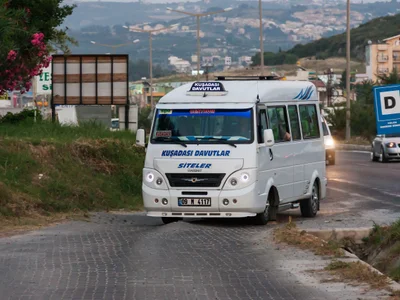
For taxis, use a registered vehicle, note its registration and make sure the meter is used. A hotel, restaurant or official rank can call one for you. Dolmuş minibuses are part of everyday local travel; keep hold of your belongings when they are crowded and ask the driver if you are uncertain about the stop.
Road conditions and driving styles may differ from what you know at home. Use marked crossings where available, look both ways even when you appear to have priority, and wear a seat belt.
Heat, sea and wildfire safety
Summer heat is one of the most predictable risks. Carry water, use shade and sun protection, and avoid planning the steepest walks for the middle of the day. This is especially important at large open sites such as Ephesus, where shade is limited.
Follow flags and lifeguard instructions at beaches, supervise children near water and do not swim after heavy drinking. Wildfires are a recurring summer risk in Türkiye: obey restrictions on flames, barbecues and smoking near woodland, and follow evacuation instructions immediately. Call 112 if you see a fire.
Health and travel insurance
Bring appropriate travel insurance that covers your activities and emergency medical costs. UK-issued EHIC and GHIC cards are not valid in Türkiye. If you take prescription medicine, check the rules before travelling and carry the documentation you may need.
Many visitors choose sealed bottled water for drinking. Rather than making a blanket claim about every building’s tap water, consider local advice and the plumbing or storage system at your accommodation. In an urgent medical situation, call 112 and contact your insurer or medical-assistance provider as soon as you can.
Emergency help
Call 112 for ambulance, fire, police, gendarmerie, coast guard or another urgent emergency in Türkiye. The national 112 service is free and operates around the clock. Give the operator what happened, your location, how many people are affected and a number where you can be reached.
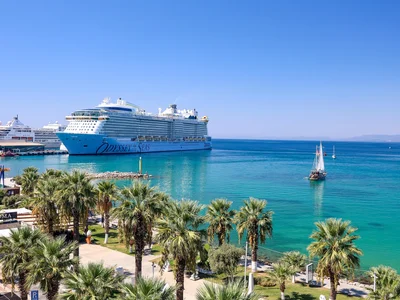
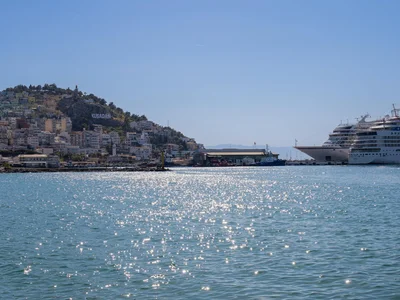
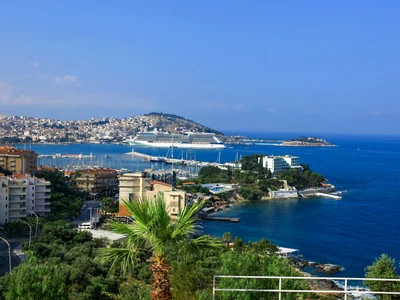
Save your accommodation’s address in Turkish and a map pin on your phone. Around the old town, similarly named streets and small lanes can make a landmark: such as the cruise port, marina or a well-known hotel: helpful while you confirm the exact location.
Before you leave
- Read your own government’s current Türkiye travel advice and subscribe to updates.
- Buy insurance that covers your itinerary, health needs and planned activities.
- Save 112, your insurer and your accommodation contact details.
- Keep a copy of your passport separately from the original.
- Follow local authorities if weather, wildfire or security conditions change.