Seven Sleepers of Ephesus: Cave, Legend and Traditions

Learn about the cave associated with the Seven Sleepers near Ephesus and how the story appears in Christian and Islamic traditions.

Seven Sleepers of Ephesus: Cave, Legend and Traditions

Seven Sleepers of Ephesus: Ancient Cave Legend

Deep within the annals of ancient Ephesian folklore lies a story shrouded in mystery and wonder - the legend of the Seven Sleepers. This tale, rooted in both Christian and Islamic traditions, recounts the miraculous events surrounding seven young men who, fleeing persecution for their faith, sought refuge in a cave and emerged centuries later to find a world transformed.

According to legend, during the reign of the Roman emperor Decius in the 3rd century CE, seven Christian youths from Ephesus refused to renounce their faith and worship the Roman gods. Fearing persecution and death, they sought refuge in a cave on the outskirts of the city. As they entered the cave, they prayed fervently to God for protection and guidance.

In the traditional account, God caused the youths to fall into a deep sleep and they awoke generations later. This is a religious legend, not an event that archaeology can verify.

Meanwhile, the world around them was undergoing profound changes. Christianity had spread throughout the Roman Empire, and the once-pagan city of Ephesus had become a center of Christian worship. The Roman Empire itself had crumbled, giving way to new kingdoms and empires.

It wasn't until around 250 years later that the miraculous story of the Seven Sleepers came to light. During the reign of the Christian Byzantine emperor Theodosius II in the 5th century CE, the cave containing the sleeping youths was accidentally discovered during construction work. As the entrance was unsealed, the seven sleepers awoke, believing that they had only slept for a day.

Emerging from their long slumber, the seven youths ventured into the city of Ephesus, expecting to find their families and fellow believers. Instead, they were greeted by a world vastly different from the one they had left behind. The once-pagan city was now adorned with Christian churches, and the Christian faith had become the dominant religion of the land.

News of their miraculous awakening spread quickly throughout the city, and the Seven Sleepers soon became revered as symbols of faith and divine protection. They recounted their incredible story to the amazed inhabitants of Ephesus, confirming the power of God and the endurance of faith in the face of adversity.

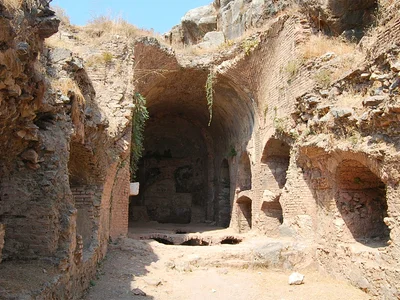
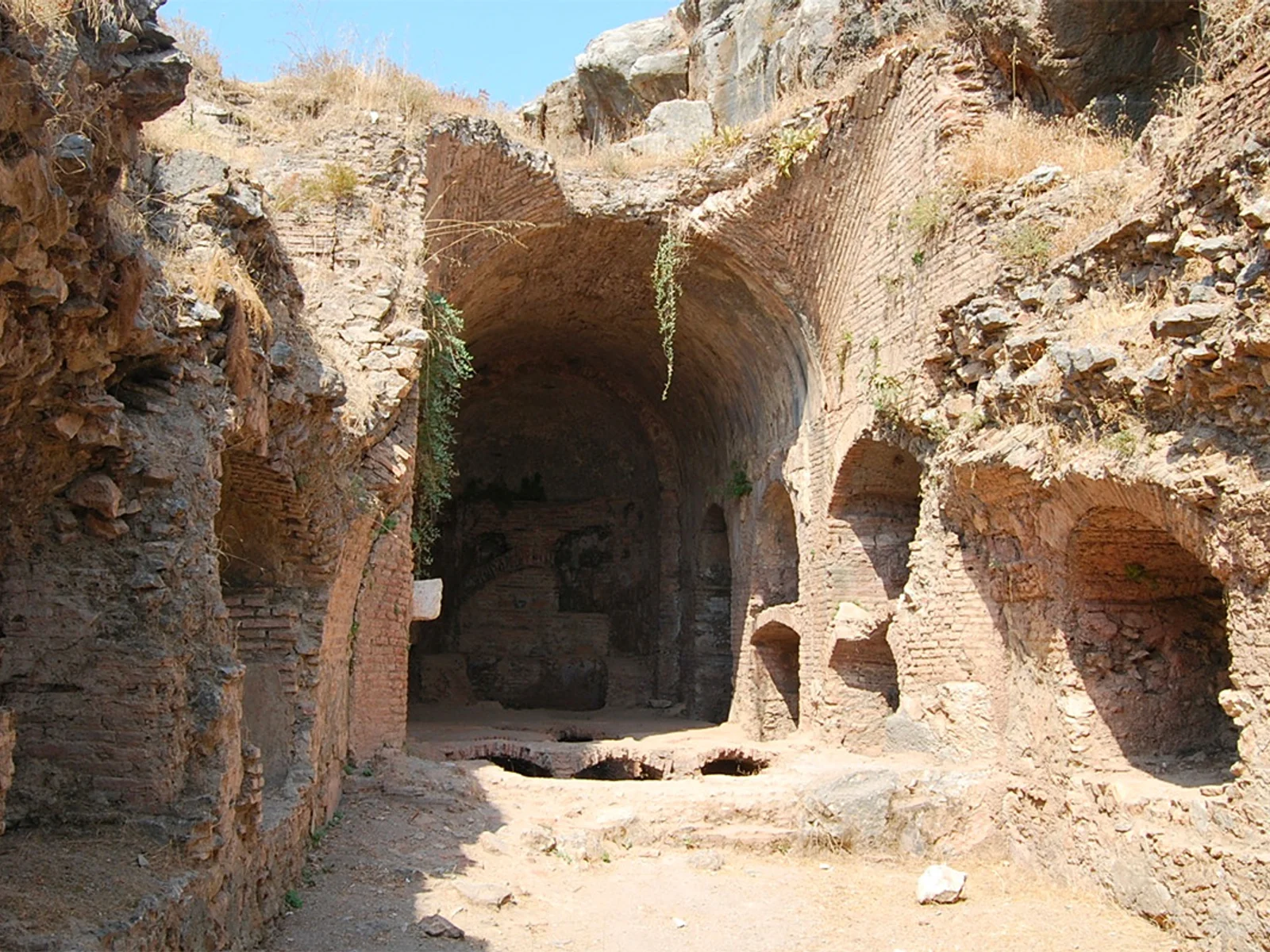
In both Christian and Islamic traditions, the legend of the Seven Sleepers has been passed down through generations, inspiring countless believers with its message of steadfast faith and divine intervention. Today, the cave of the Seven Sleepers remains a popular pilgrimage site in Ephesus, where visitors can pay homage to these legendary figures and reflect on the enduring power of faith.
Our Ephesus Guide Pages

Explore our in-depth guides to plan your perfect Ephesus visit

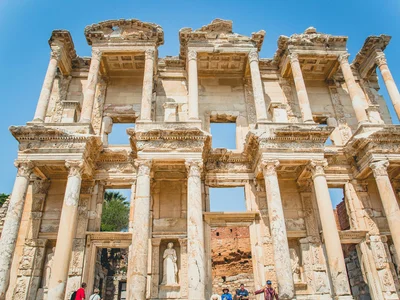
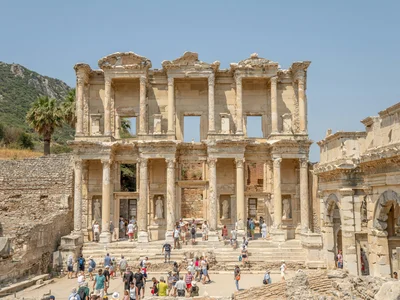
Ephesus Library

It serves not only as a reminder of Ephesus's glorious past but also as a testament to the enduring power of knowledge and culture.

Ephesus Ruins

Ephesus, situated a mere 18 kilometers from Kusadasi, is celebrated as a prominent ancient metropolis globally.

Ephesus Theatre

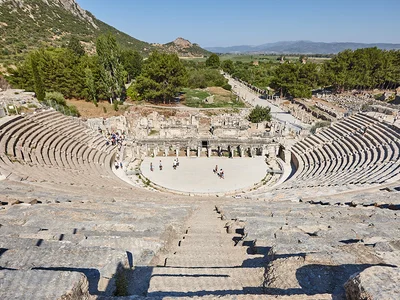
The grand theater of Ephesus stands as an impeccably preserved and truly remarkable architectural marvel.

Ephesus Terrace Houses

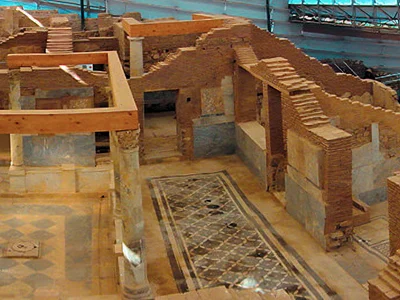
The Terrace Houses in Ephesus are opulent residential dwellings situated adjacent to Curetes Street.

The House of the Virgin Mary

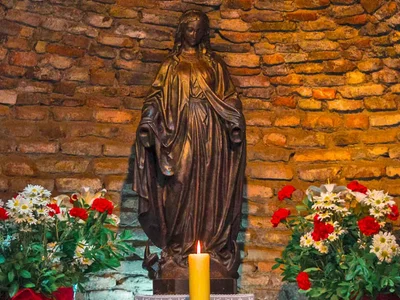
High on a tranquil, wooded hilltop overlooking the ancient ruins of Ephesus lies a small stone house of immense spiritual importance.

Goddess Artemis

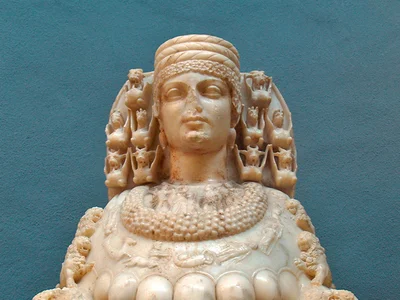
At the heart of Ephesian culture stood the magnificent Temple of Artemis, one of the Seven Wonders of the Ancient World.

Ephesus Indoor Museum

The Museum of Ephesus, located in the Selcuk district, showcases artifacts unearthed during excavations in Ephesus since 1964.

The Seven Sleepers of Ephesus

Deep within the annals of ancient Ephesian folklore lies a story shrouded in mystery and wonder - the legend of the Seven Sleepers.

The Temple of Artemis

Nestled in the ancient city of Ephesus, in what is now modern-day Turkey, stands the remnants of one of the most remarkable structures.

Share This Article

Found this helpful? Share it with your network!

Frequently Asked Questions

Who were the Seven Sleepers of Ephesus?

The Seven Sleepers were a group of Christian youths who, according to legend, hid inside a cave near Ephesus to escape persecution and miraculously fell asleep for centuries before awakening.

What is the historical origin of the Seven Sleepers legend?

The story is believed to originate from early Christian traditions during the Roman persecution in the 3rd century AD. It appears in writings by early Christian authors and is also referenced in Islamic texts.

Where is the cave of the Seven Sleepers located?

The cave traditionally associated with the Seven Sleepers is located near the ancient city of Ephesus, close to the modern town of Selçuk in Turkey.

How long did the Seven Sleepers sleep according to the legend?

The legend says they slept for about 200 to 300 years, awakening in a time when Christianity had become widespread and accepted.

What is the significance of the Seven Sleepers story in Christianity?

The story symbolizes faith, resurrection, and the triumph of Christianity over persecution. It is often cited as an early example of the belief in life after death.

Is the story of the Seven Sleepers mentioned in the Quran?

Yes, the story is referenced in Surah Al-Kahf (The Cave) in the Quran, highlighting themes of faith and divine protection.

Are there any churches or monuments dedicated to the Seven Sleepers in Ephesus?

Yes, there is a Church of the Seven Sleepers near the cave site, and the area has become a pilgrimage destination for both Christians and Muslims.

What archaeological evidence supports the legend of the Seven Sleepers?

Archaeologists have identified the cave and nearby structures consistent with early Christian worship, but there is no definitive proof confirming the story’s historical accuracy.

How is the legend of the Seven Sleepers celebrated today?

Various religious communities commemorate the story with feast days, pilgrimages, and educational events focusing on faith and perseverance.

Can visitors see the cave of the Seven Sleepers today?

Yes, the cave is accessible to visitors and is part of the cultural and religious heritage tours in the Selçuk region near Ephesus.

What lessons does the legend of the Seven Sleepers teach?

The legend teaches the importance of faith, patience, divine protection, and hope for resurrection and eternal life.

Are there similar legends of the Seven Sleepers in other cultures?

Yes, versions of the story exist in Christian, Islamic, and other cultural traditions, each with unique variations but a common theme of miraculous sleep and awakening.